It can be useful, or even necessary, to know how to correctly measure the pulse. Manual technique (with fingers) or using a device: how to correctly measure the wrist?
During sport, to get an idea of the intensity of physical activity, a heart rate monitor will give you good directions. It is worn at heart level and sends signals to a hand clock or activity tracker. Many pedometers also perform this function. There are also watches with a heart rate under construction.
The measurement of the impulses is possible with different methods. And you can do it alone.
What do you need to know about the cardiac impulse?
It has been practiced since ancient times, the measurement of impulses is undoubtedly one of the oldest gestures of medicine. This consists in perceiving the bloodstery pulsating from the heart, simply by palpating an artery.
The wrist indicates how quickly your heart beats. It can also provide an idea of the functioning of this organ and even your health and physical form in general. It may seem difficult to measure the impulse, but in reality it is a very simple operation that does not require special equipment. As I noticed above, you can measure it manually or use a device that measures heart rate.

How do you measure your wrist correctly?
Manual
- Extend the wrist and place two or three fingers at the base of the thumb, to the left of the tendon if the left hand is and right for the right hand.
- Don’t you feel the wrist? The pressure increases or slightly moves the fingers.
- It counts the beats for 30 seconds. The normal impulse is between 50 and 100 beats per minute.
Electronic
Special devices and smartphone applications have the function to measure the impulse. Download one of them and measures the wrist according to the instructions (usually positioning a finger on the room).
The secrets of blood pressure
Blood pressure is blood pressure from the arteries. Being an essential phase in any consultation, the measurement of blood pressure remains a mystery. In the body, the arteries play the role of adoptive mothers. They transport the blood from the heart to the different tissues of the body and therefore provide the cells with the oxygen essential for their survival. With every contraction of the heart, the blood is forced to get out of the rooms of the heart and is pushed through these tubes. In order to perform their function satisfactorily, the arteries must remain flexible and free (without fat deposits).
What is normal heart rate?
The normal heart rate during rest for a healthy person is between 60 and 100 beats per minute. Cardiac frequency can be influenced by factors such as physical fitness, emotions, body size and use of drugs.
- If the heart rate while resting is less than 40 beats per minute or more than 120 beats per minute, speaks with a doctor.
- As if the wrist was irregular: sometimes fast and sometimes slow, you should consult your doctor.
- If you have heart palpitations accompanied by symptoms such as dizziness, breathing difficulties, chest pain, breathing difficulties, fainting, unusual fatigue, go to a doctor.
What is the normal pulse according to age?
At rest, the wrist of an adult is between 60 beats and 100 beats/min (BPM). A study shows that heart rate in women is lower than that of men.
The normal wrist in age is different. In children the heart beats faster than adults. The child (the newborn) breathes on the nose (before 6 months). The chest is small, it must breathe to compensate. Therefore, this leads to faster breathing. In infants (less than a week of life): the heart rate is between 120 and 160 per minute. Cardiac frequency increases when you move. And even more when the effort is intensified. The maximum heart rate is the threshold that the heart rate cannot exceed. Theoretically we can estimate the maximum frequency by means of the following calculation:
196 Beats (BPM) for a 30 -year -old woman from calculation 226 -Edity;
190 Battiti (BPM) for a 30 -year -old man from the calculation 220 -Eities.
Read also the article: What is normal heart rate?
The heart rate of an elderly person
As he gets old, the heart increases (slightly) in volume or size. This is because the heart of an elderly is greater than that of a small child. The increase in size is due to the increase in the volume of the individual cardiac cells.
The heart of an elderly works almost like that of a young man, with the only difference that the first heart has a faster/stronger heart rate. During sport, the heart rate of an elderly increases less than that of a young man. This is also the case during physical effort or training.
Aging has effects on the heart and ships. But these effects can be reduced with regular physical activity (regular training). Physical exercises It helps to maintain cardiovascular health and maintain muscle tone as you age. For this reason, professional athletes are generally healthy. However, you can hear an athlete practicing regular training at home. You will feel the effects of a healthy and active way of living on your skin.
Measures the wrist correctly and take care of your health!
If this article has been useful to you to see your friends too!
Latest Posts Published

El secreto oscuro que limpia tu sangre, fortalece tu cuerpo y casi nadie está usando

El secreto natural que pocos conocen! Clavo dulce: el remedio que podría transformar tu salud desde hoy”
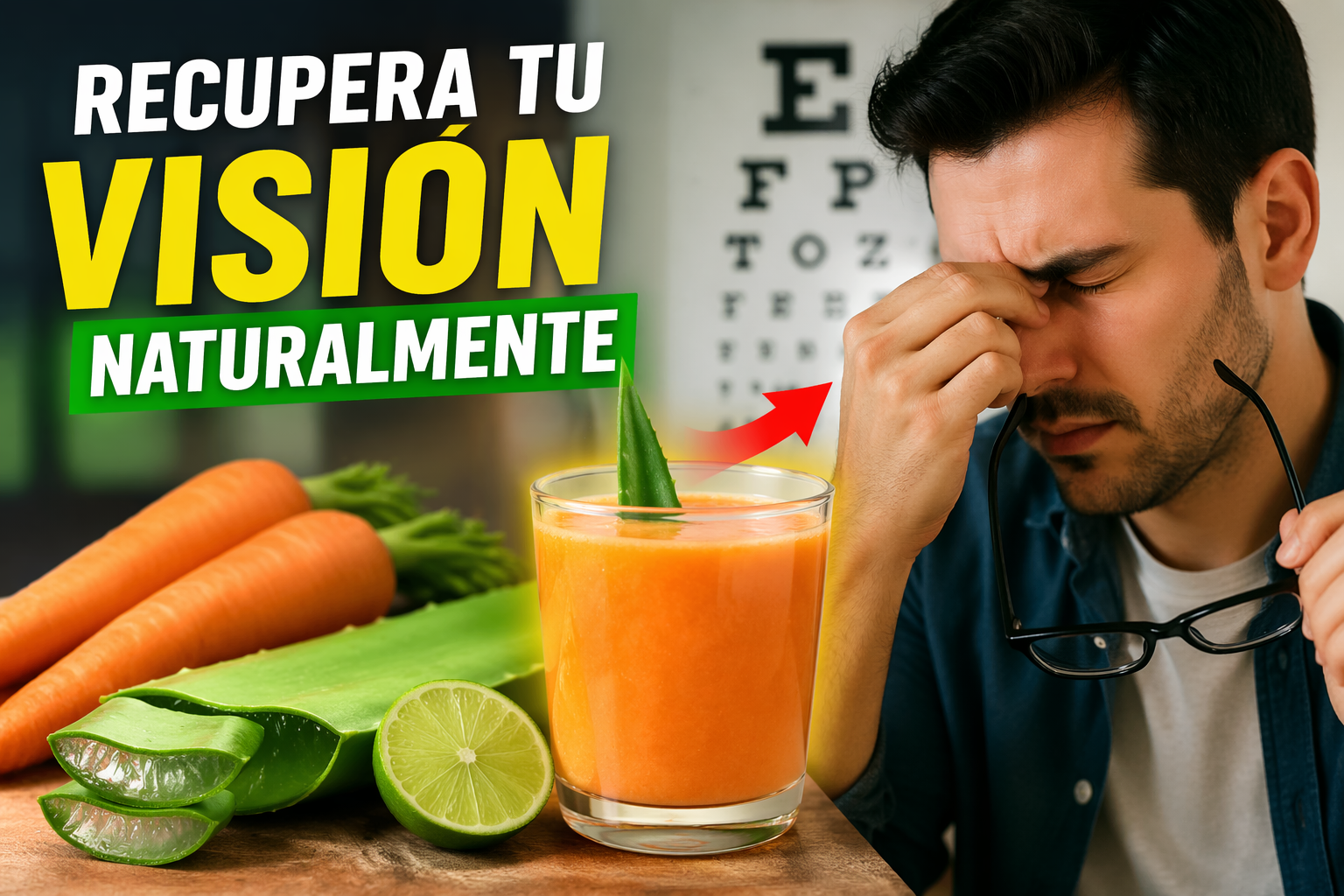
Recupera tu visión de forma natural! El secreto casero que tus ojos necesitan HOY”
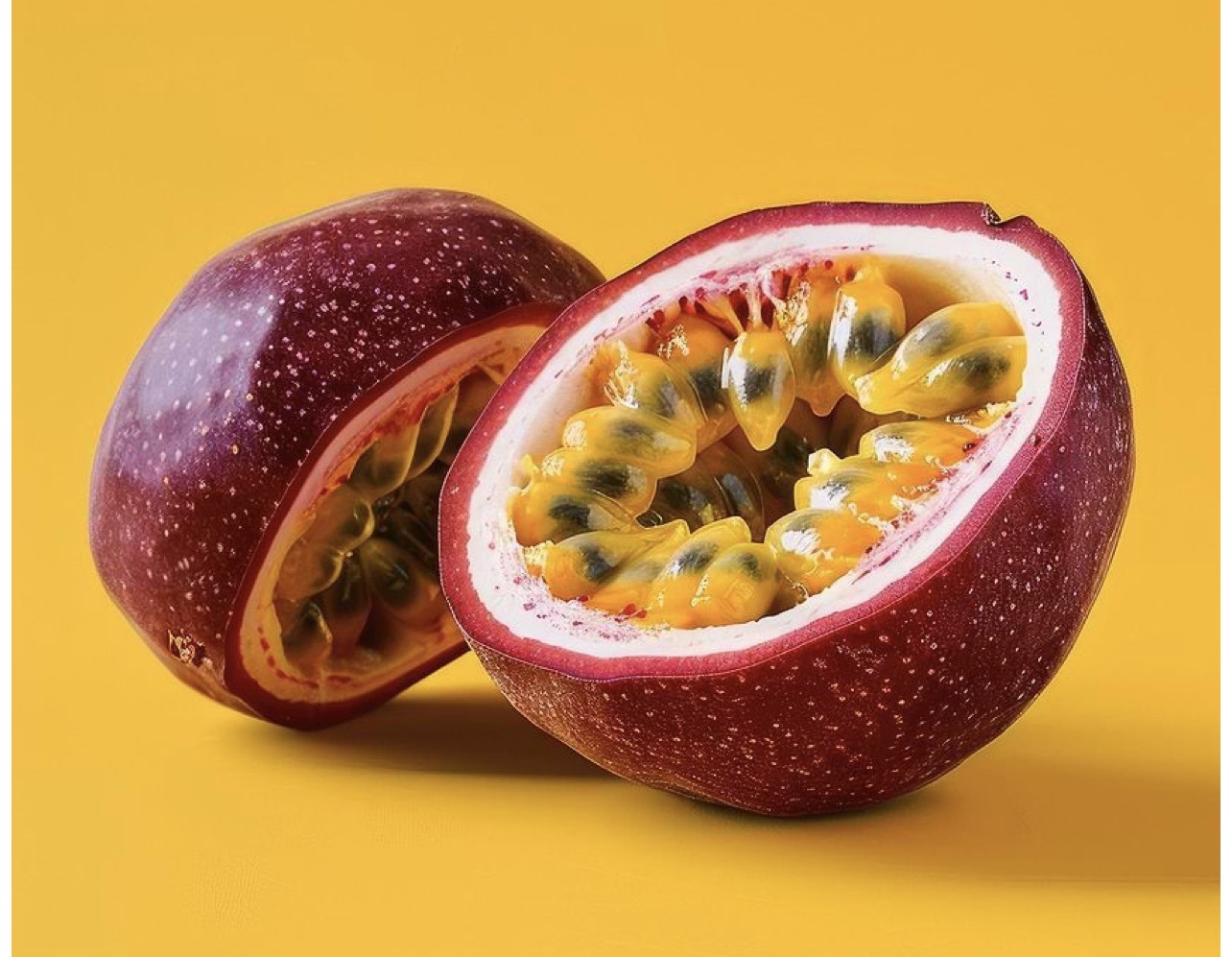
¡Recupera tu vista de forma natural! El secreto del maracuyá que casi nadie conoce

El poder oculto del aguacate que nadie te contó! Sana tu cuerpo desde adentro y rejuvenece tu mirada naturalmente

El secreto natural que está transformando cabellos opacos en melenas largas, brillantes y sin frizz… ¡con solo 3 ingredientes

El Secreto Natural que Está Activando la Memoria de Miles: Más Claridad Mental con Solo 2 Ingredientes

El Secreto Natural que Está Sorprendiendo a Todos: Limpia tu Sangre, Cuida tu Hígado y Apoya tu Salud en Solo 2 Ingredientes
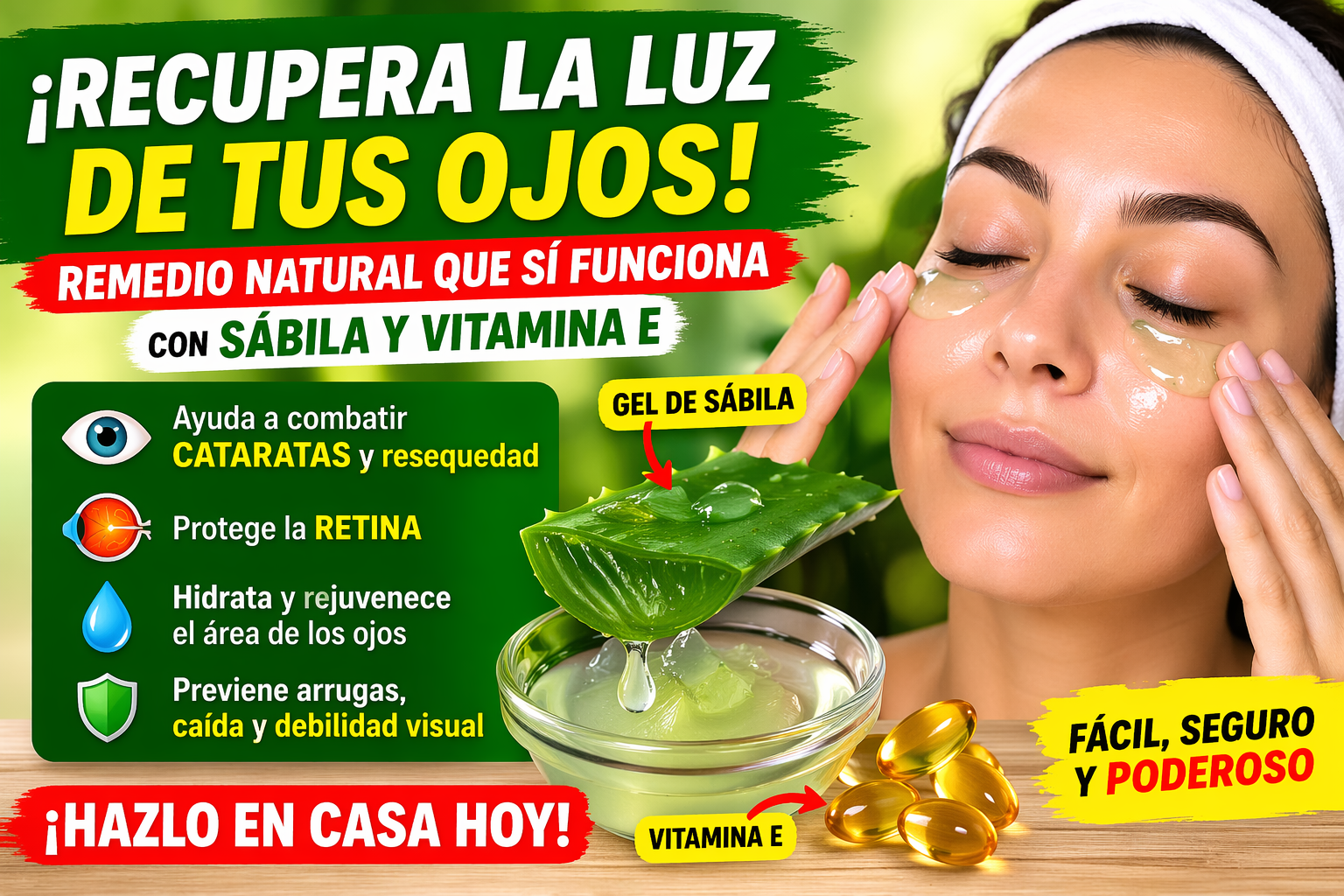
Recupera la luz de tus ojos de forma natural! El poderoso secreto con sábila que casi nadie conoce